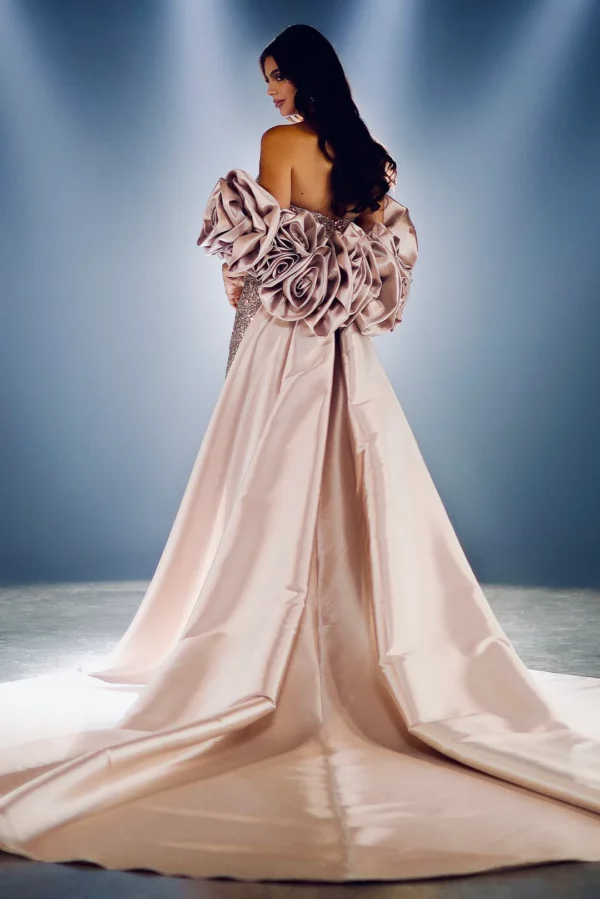
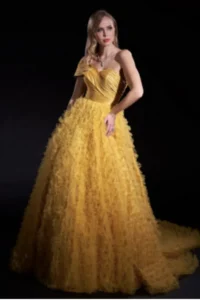
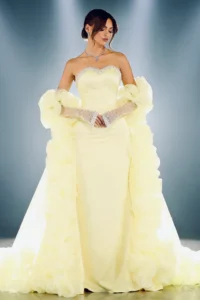
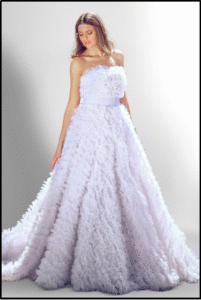
Why do gown dresses still capture our hearts and mark our biggest moments? Few pieces in a woman’s closet hold as much meaning. But with so many changing trends, it’s easy to forget what truly makes a gown timeless. From red carpet looks to special family celebrations, gowns have always told stories about times, values, and who we are. By seeing how their shapes, details, and purpose have changed over the years, we understand why gowns stay a lasting symbol of beauty and how a skilled fashion designer helps create pieces that honor this rich history today, including contemporary interpretations such as strapless gowns worn with confidence.
A talented fashion designer does more than just follow trends. They study what has made gowns special through the years and use that knowledge to shape new creations that feel both modern and timeless. This guide explores how gown dresses have changed across cultures and time, helping you see the true art in every design and understand why choosing the right gown today honors centuries of beauty, meaning, and tradition.
Medieval Beginnings: Function Meets Form
In the Middle Ages, gowns were practical garments for both men and women. For women, the dress often consisted of a long tunic with fitted sleeves and a belt to shape the waist. Though the word “gown” had not yet taken on its luxurious association, these early pieces laid the groundwork for the structured gown style dresses we know today.
As societies became more hierarchical, gowns grew more elaborate. Velvet, brocade, and embroidery began appearing among noblewomen’s wardrobes, which were the early signs of what would become high fashion. Fabrics indicated status, and the cut of a dress could reflect one’s place in society. Sleeves grew longer and more decorative, while colors and fabrics became more regulated by sumptuary laws.
These medieval garments, though born out of necessity, slowly evolved into symbols of wealth and refinement. The transition from function to form marked the beginning of fashion as a language of power, identity, and artistry. A concept that would continue to shape the future of couture.
Renaissance Luxury and Status
During the Renaissance, gowns transformed into opulent expressions of class. Full skirts, puffed sleeves, and rich colors became indicators of wealth and family status. Gowns were tailored to display one’s figure modestly while showcasing the artistry of the seamstress or tailor.
This era also introduced elements that persist today, such as the corseted bodice and multi-layered silhouettes. These were precursors to modern evening gown dresses and couture techniques. The Renaissance was a turning point, where clothing began to merge artistic creativity with technical skill, elevating dressmaking into a respected craft and social statement.
Victorian Drama and Volume
By the Victorian era, gowns became more theatrical. Layered crinolines and tightly cinched waists gave rise to the hourglass figure as a beauty ideal. This period birthed the aesthetic of what we now recognize as classic ball gown prom dresses. They were extravagant, floor-sweeping, and dramatic.
Gowns also became central to life’s most symbolic moments, such as weddings and debutante balls. Materials like satin, lace, and tulle were used to emphasize elegance and femininity. Bodices were structured with boning, and skirts expanded with petticoats or hoop frames. The grandeur of these dresses reflected society’s expectations of formality and status.
This era solidified the gown as an essential part of a woman’s identity during major life events. Its legacy continues today in bridal fashion, prom attire, and formalwear, where drama, volume, and grace still echo Victorian influence.
20th Century: Breaking the Mold
The 1900s marked a shift in women’s roles and fashion. In the early decades, Edwardian gowns embraced soft, flowing lines. By the 1920s, flapper dresses defied traditional silhouettes with shorter hemlines and bold beading. Gowns became lighter, more playful, and reflective of social change.
This evolution mirrored women’s growing independence and the push for modernity. Dresses shed their heavy layers and stiff corsets, favoring comfort and movement. The 1930s and 40s saw bias cuts and sleek silhouettes that celebrated the female form with subtle elegance.
By mid-century, Hollywood’s Golden Age had a defining impact. Designers like Christian Dior reintroduced structured glamour with his “New Look” in 1947, featuring nipped waists and voluminous skirts. These designs brought drama and femininity back into fashion, influencing evening wear for generations.
Modern Interpretation: Global Influence and Personal Style
Today, gown dresses are a true melting pot of global tastes: East meets West, classic meets contemporary. From crystal-drenched couture gowns in UAE’s fashion weeks to modestly styled Arabic gown dresses, today’s gowns are designed to speak to diverse lifestyles and cultural traditions.
Designers draw inspiration from every corner of the world, blending embroidery techniques from India, draping styles from Japan, and fabric traditions from Africa and Europe. The result is a fashion landscape where creativity knows no borders. Whether it’s a minimalist evening gown or a lavish couture creation, the modern gown embraces individuality.
Technology also plays a role. Digital fittings, 3D embellishments, and performance fabrics have revolutionized how gowns are worn, made, and even experienced. Modern women can now find pieces that reflect not just a trend, but their own story.
Cultural Variations in Gown Design
Every culture brings its own vision to the gown. In South Asia, Pakistani gown dresses often feature intricate zari, sequins, and long flared cuts that are both regal and modest. In the Gulf region, Arabic gown dresses pair elegance with cultural values, incorporating flowing fabrics and intricate embroidery.
These cultural details do more than enhance beauty. They reflect history, identity, and tradition. The choice of fabric, colors, and embellishments often carries symbolic meaning that has been passed down through generations, adding depth and personal significance to every gown.
Meanwhile, Western fashion still leans toward the boldness of black tie evening gown dresses, highlighting the silhouette and sensuality. The rise of fusion design means that these elements often merge beautifully, making the gown a truly global garment.
Occasion-Specific Gowns
Gowns have long marked life’s defining events. Think about the significance of graduation dresses to wear under the gown: elegant yet youthful, they signal a coming-of-age moment. Wedding gowns, on the other hand, blend tradition and emotion with fashion-forwardness.
From quinceañeras to engagement parties, gowns adapt to each culture and event with unique flair. Designers often tailor silhouettes, fabrics, and details to suit the mood and meaning of the occasion, making every gown a personalized symbol of celebration.
Even events like prom have grown into gown-centric occasions, where young women shop months in advance for the perfect ball gown prom dresses to reflect their personality and celebrate independence.
Abu Dhabi: A Global Capital for Gown Fashion
When it comes to gown shopping, gown dresses in Abu Dhabi offer a class of their own. With its high-end boutiques, tailoring traditions, and love for glamour. In the UAE, craftsmanship meets innovation. Shoppers from around the world come here for gown dresses that combine modern fashion with luxurious details.
From old royal robes to stunning modern gowns, dresses have always shared stories. They show who we are, our culture, and what we value. So when you look at designer gowns or pick a ball gown for a special day, remember you’re wearing more than a dress. You’re carrying a long history of beauty. At Sophia Bognem, we bring this tradition into today with the latest gown styles. Discover how a truly special gown can bring your story to life. Let our team help you find or create a dress that’s crafted just for you.
For gown consultations or to explore our couture collection in Abu Dhabi, visit our website to explore our gowns, then feel free to get in touch at support@sophiabognem.com or call us directly at +971 52 9666276.